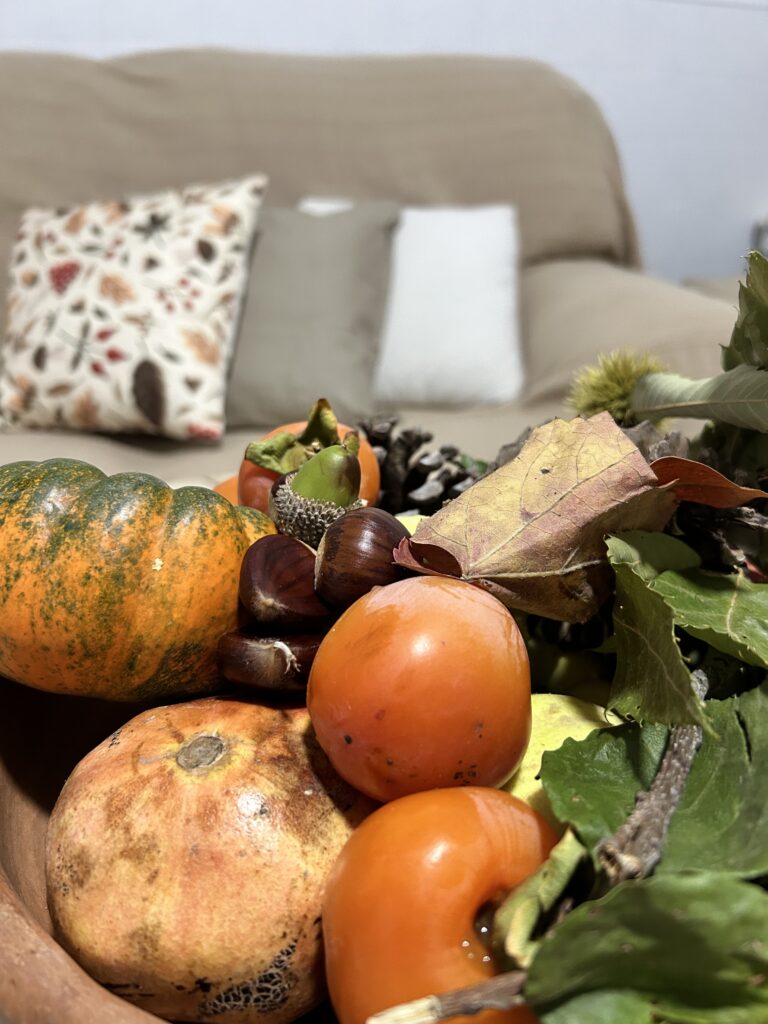
Discover the mushrooms of the Sierra de Huelva, their varieties, collection tips, and autumnal flavors. Enjoy a rural getaway in Jabugo.
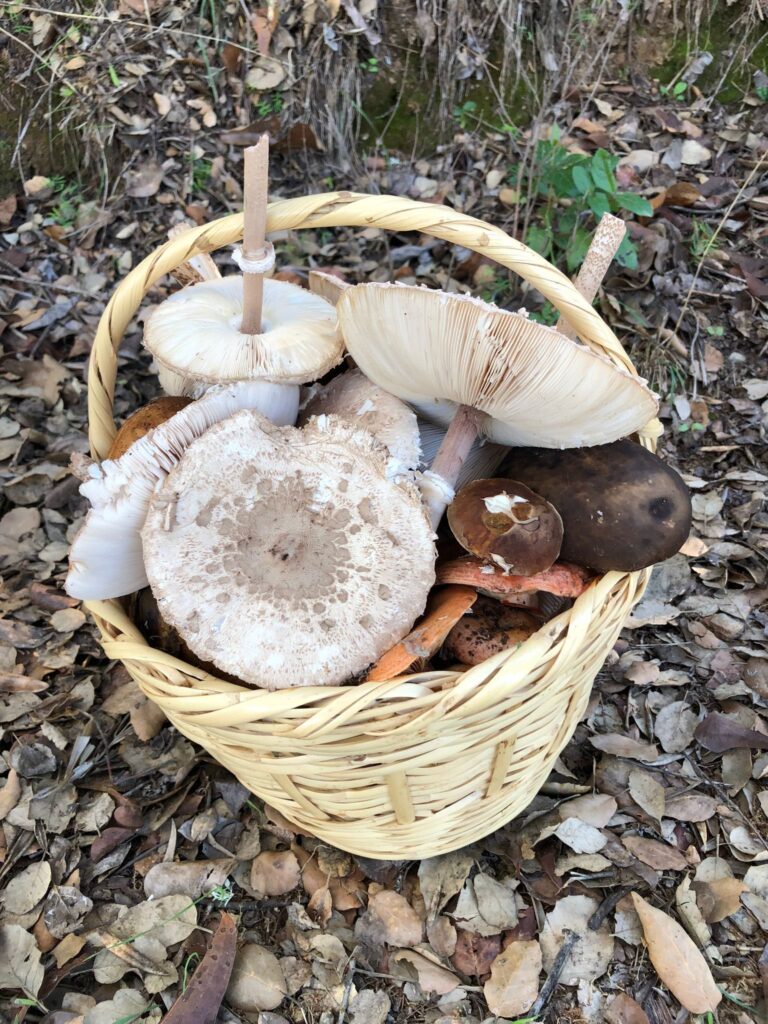
Autumn is the season for mushrooms and, in the Sierra de Huelva, nature presents us with an extraordinary variety of shapes, colors and flavors. With the first rains and the right temperatures, the forests and dehesas become a privileged setting for discovering the world of mycology.
This protected natural space, located in the north of the province of Huelva, stands out for its scenic beauty and the diversity of fungi that grow among holm oaks, cork oaks, chestnut trees and holm ash trees. Moreover, the Natural Park The Sierra de Aracena and Picos de Aroche have more than half a hundred species of fungi classified as such., A true paradise for nature and mycological enthusiasts, where the picking of mushrooms is part of the traditions and gastronomy of the mountains.
So if you’re thinking of enjoying a autumn getaway, Jabugo is a good starting point to discover the landscapes, flavors, and customs of our mountain range.
The most famous mushrooms in the Sierra de Aracena and Picos de Aroche Natural Park
Among the most appreciated species of mountain cuisine we find some that, with the appropriate experience and knowledge, we can learn to recognize. These are four of the best-known ones in our region.
The cave: a gem of mountain cuisine
The cave (Amanita caesarea) is one of the most appreciated mushrooms in the area and a true protagonist of autumn cooking. It is recognizable by its orange-colored hat and its yellow-colored leaves and stem.
Its gastronomic fame makes it very sought after during the mushroom season. However, it is especially important to identify it correctly, as it can be mistaken for very dangerous species, such as some toxic amaranth plants.
In the kitchen, its delicate flavor allows for the preparation of simple recipes in which the product is the true protagonist.
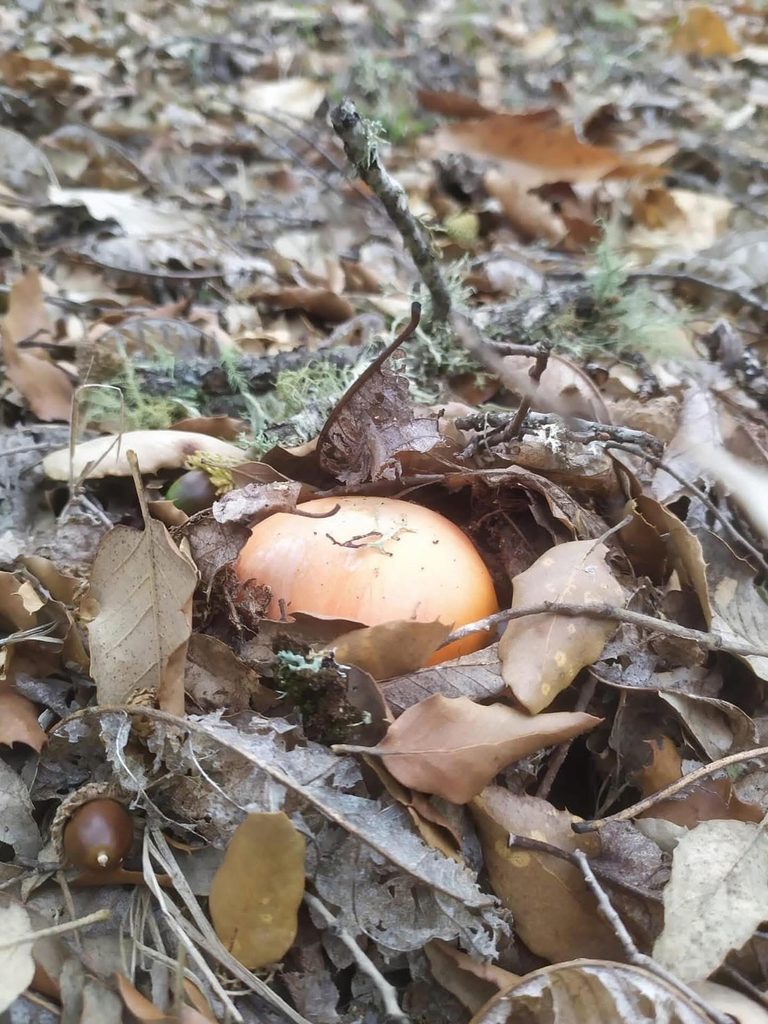
Our recipe for enjoying the tamales on the table:
Tuna casserole
Ingredients
- 250–300 g of tana
- 3 camembert eggs
- 1 clove of garlic (optional)
- 2 tablespoons of extra virgin olive oil
- Some parsley leaves
- Salt and pepper
- Some slices of Iberian ham, optional
Preparation
- Clean the tanks and crush them.
- Heat the oil in a pan and add the chopped garlic if you like.
- Add the mushrooms and cook them until they are tender and have lost most of their water.
- Beat the eggs lightly with a pinch of salt and add them to the pan.
- Remove over low heat until the mixture thickens, without letting the egg cook.
- Remove from the heat and add chopped parsley. If you want to give it a serrano touch, finish with a few slices of Iberian ham.
Our advice: serve it freshly made on a toasted loaf of bread or as an entrée to share.
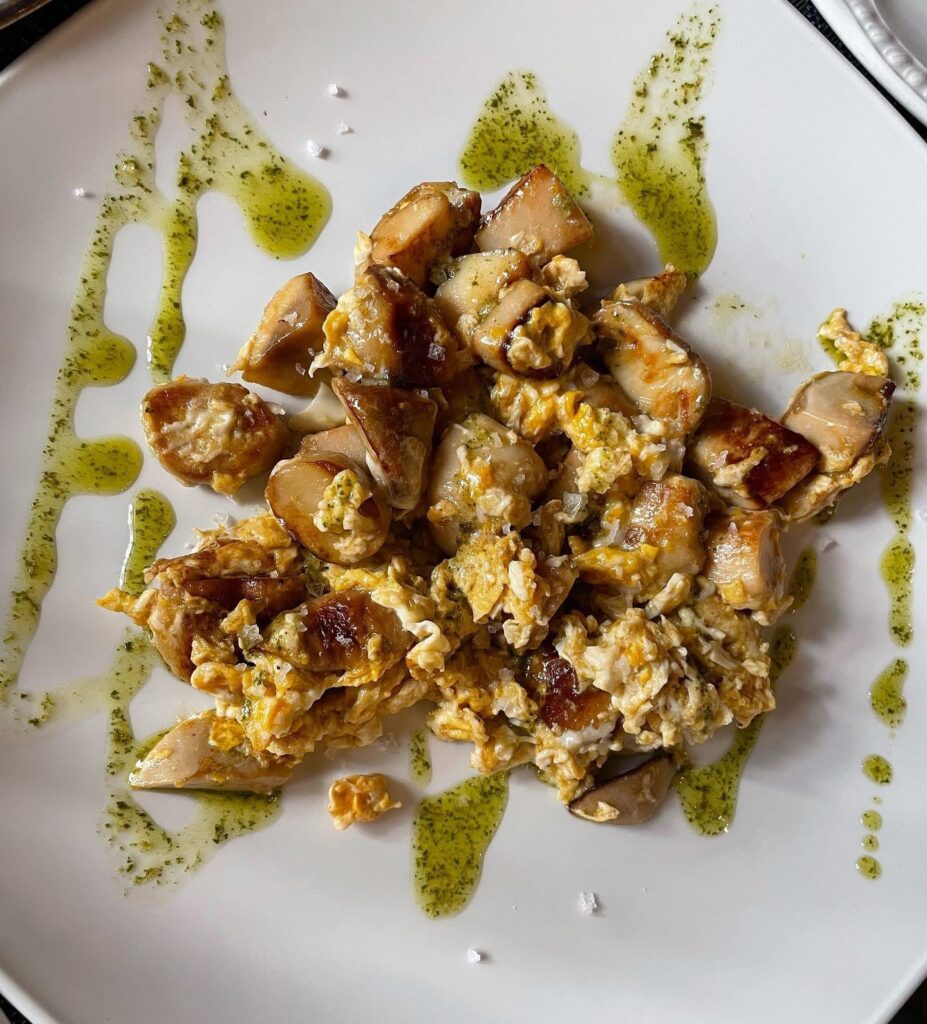
The tentacle or boletus: intense flavor and forest aroma
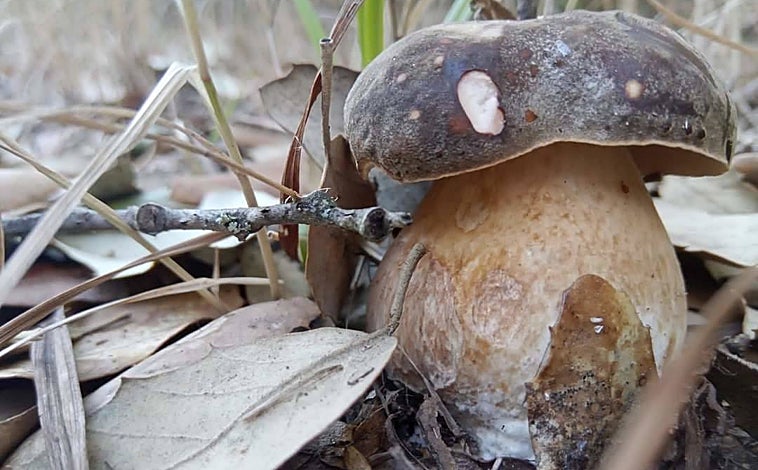
The boletus are another of the mushrooms most appreciated by mycologists. Among the species known in mountain cuisine are the Boletus aereus and the Boletus edulis.
Their firm texture, characteristic aroma and intense flavor make them ideal ingredients for a wide variety of dishes.
Grilled, sautéed with garlic or incorporated into rice, they allow you to prepare recipes in which you don't need to resort to too many ingredients. A good olive oil and proper cooking can be enough to enjoy all its flavor.
Our recipe To enjoy the boletus on the table:
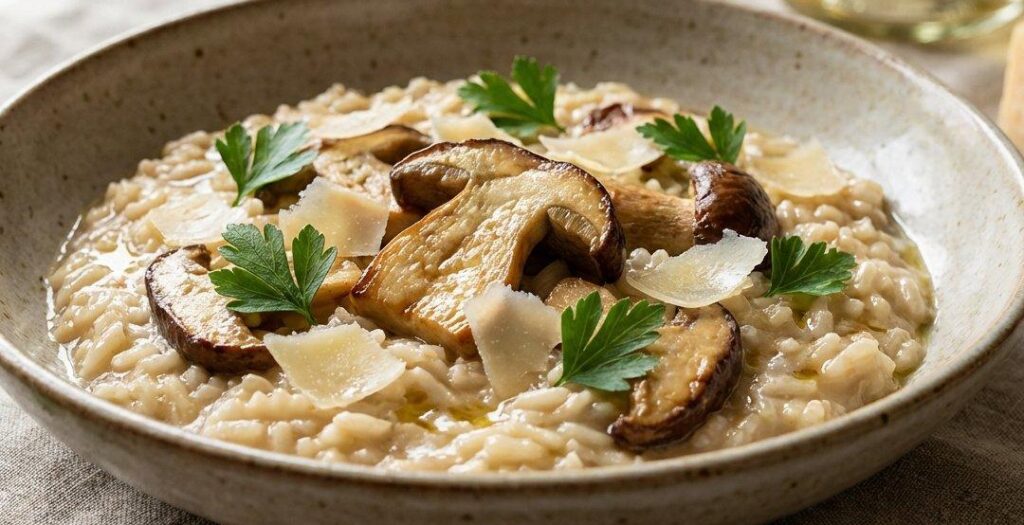
Creamy risotto of boletus and cured cheese
Risotto is a delicious way to enjoy mushrooms. The rice absorbs their aroma and, together with the cured cheese, creates a creamy and comforting dish, ideal for autumn meals.
Ingredients
- 200 g of rice for risotto, arborio type.
- 250–300 g of fresh mushrooms.
- 1 white onion.
- 700–800 ml of hot vegetable broth, approximately.
- 50 ml of white wine.
- 40 g of grated cured cheese.
- Extra virgin olive oil.
- Salt and pepper.
Preparation:
- Clean the boletus, cut them into slices and sauté them in a little oil. Reserve some for decoration.
- In the same pan, fry the chopped onion over low heat until it is cooked through.
- Add the rice and stir for a minute to soak up the oil.
- Add the white wine and let it evaporate.
- Then gradually add the hot broth, stirring frequently. Wait for the rice to absorb some of the liquid before adding more.
- Halfway through cooking, add the mushrooms reserved for the rice. Cook for about 18–20 minutes, or according to the instructions for the rice, until it is creamy and al dente.
- Remove from the heat, add the grated cheese and stir until it becomes a smooth texture. Adjust with salt and pepper.
- Decorate with the reserved boletus and serve immediately.
Our advice: use a well-balanced flavored cured cheese so that it enhances the aroma of the mushrooms without hiding it.
The nisseal or pinatel: the treasure of the pine forests
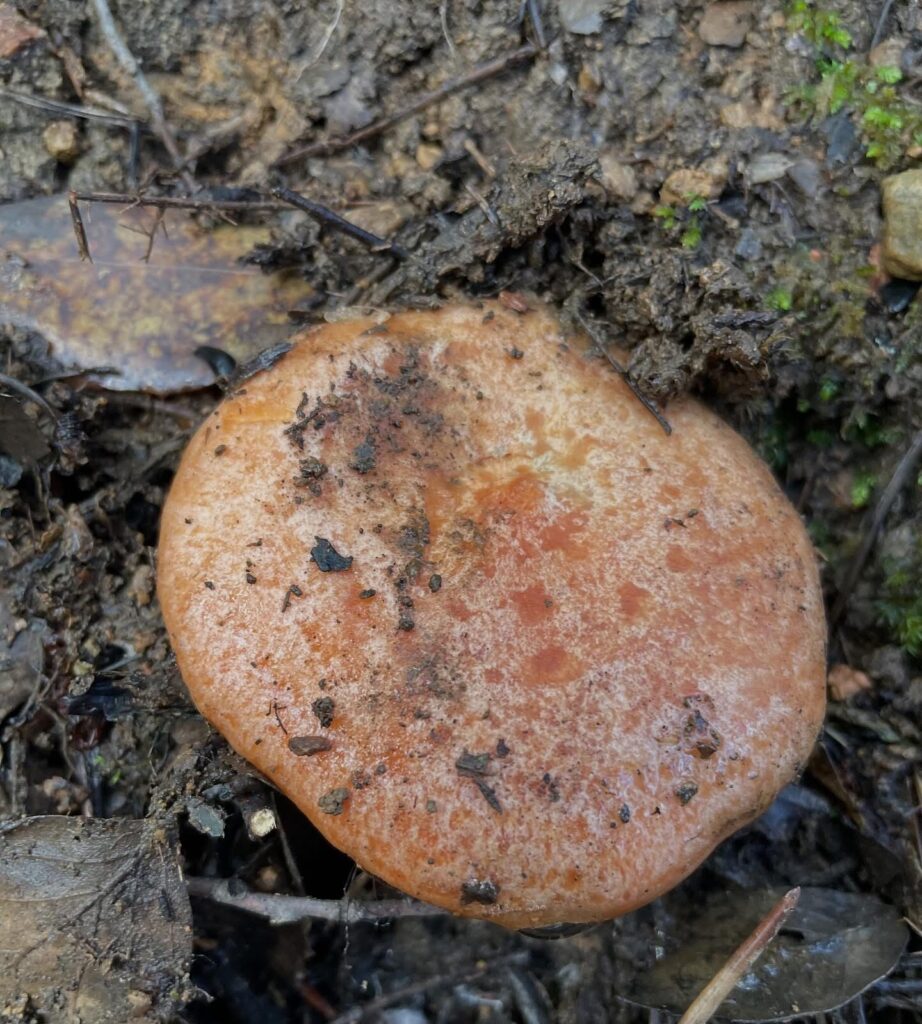
The Niska (Lactarius deliciosus( ), also known in some places as pinatel, is a mushroom characteristic of the pine forests.
Its hat has orange tones and, as it matures, it tends to flatten and sink slightly in the center. Its leaves are also orange and can acquire greenish tones when handled or over time.
It is a mushroom highly appreciated in the kitchen for its firm texture and characteristic flavor. It can be prepared on the grill, sautéed or stewed, always with safe identification and proper cooking.
Our recipe to enjoy the pinellas on the table:
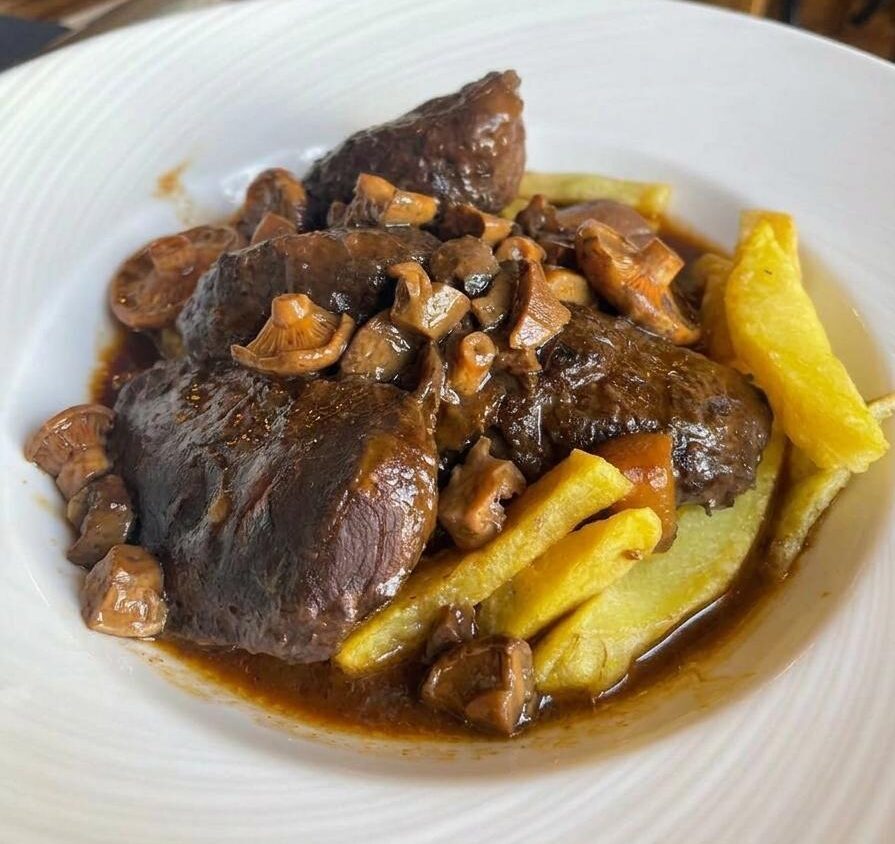
Pork meat in sauce with chives
Ingredients
- 800 g of pork for cooking, preferably lean loin or shoulder meat
- 400 g of fresh chives.
- 1 large onion.
- 3 cloves of garlic.
- 1 small green pepper.
- 2 ripe tomatoes grated or 200 g of crushed tomatoes.
- 150 ml of white wine.
- 400–500 ml of beef broth.
- 1 bay leaf.
- 1 teaspoon of sweet paprika.
- Extra virgin olive oil.
- Salt and black pepper.
- Tomillo to taste.
Preparation
- Dora the meat. Cut the meat into small pieces, season with salt and pepper and sauté it in a pan with olive oil. Remove and set aside.
- Prepare the sofrito. In the same pan, sauté the chopped onion, garlic and pepper. Add the tomato and cook until the sofrito has thickened well.
- Add the aromas. Remove the pot from the heat for a moment, add the paprika and stir. Add the white wine and let the alcohol evaporate.
- Let the meat cook. Add the meat again, add the laurel, thyme and broth until it almost covers the meat. Cook covered over low heat for about 35–45 minutes, or until it starts to become tender.
- Add the shallots. Wash them carefully, chop them if they are large and incorporate them into the stew. Cook for another 15–20 minutes, until both the mushrooms and the meat are completely cooked and tender.
- Adjust the sauce. If it is too liquid, let it reduce for a few minutes with the lid on. Taste and adjust for salt, pepper, and aromatic herbs.
The times may vary depending on the cut of meat. If you use a fast cooker, adjust the time according to the manufacturer's instructions and add the seasonings after pressure cooking.
Our advice: Serve it with baked or fried potatoes and some good country bread to take advantage of the sauce.
The Gallipierno: a spectacular mushroom
The gallipierno, a common name that can be used for different species depending on the region, stands out for its large size and the shape of its hat.
It is common to find species of this group in open spaces, meadows and clearings of the forest. Their hat is between 15 and 20 cm, reaching 30 cm, and their leg can reach 40 cm. It is easy to identify by its membranous ring.
Although it is not very abundant in meat, it is tender and excellent to eat; it is advisable to cook only the hat, as its foot is very woody.
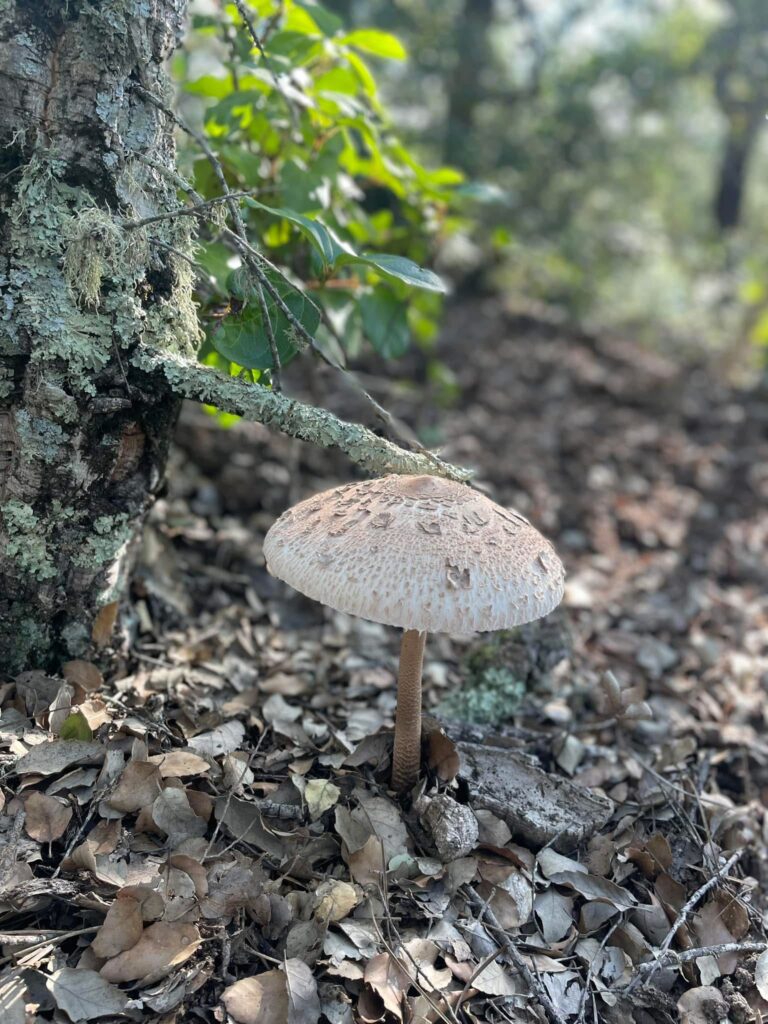
Our recipe to enjoy the gallipiers on the table:
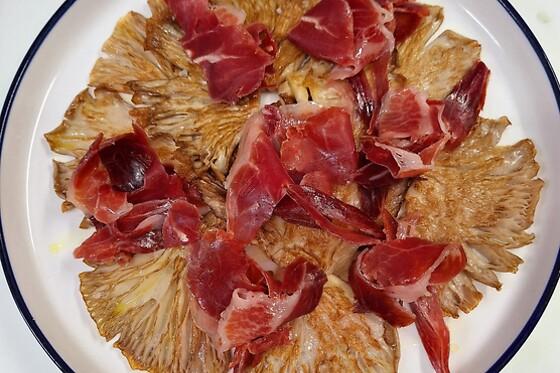
Grilled Gallipierne with Iberian ham from Jabugo
Ingredients
- 2–4 gallipiers, depending on their size.
- 4–6 thin slices of Jabugo Iberian ham.
- 2 cloves of garlic.
- Fresh parsley chopped.
- Extra virgin olive oil.
- Drink, in moderation.
Preparation
- Clean the gallipiers carefully with a damp cloth or a brush.
- Heat the grill with a drizzle of olive oil and cook the mushrooms on both sides until they are tender and completely cooked.
- Mix the chopped garlic and parsley with a little oil and spread the dressing over the mushrooms during the last few minutes of cooking.
- Remove the breadcrumbs from the baking sheet and place the thin slices of Jabugo ham on top. The residual heat will cause them to release their aroma and become slightly gooey.
Our advice: don't cook the ham too much. Adding it at the end allows you to preserve its texture and flavor better. Also, don't add salt until you taste the dish, because the ham already has plenty of flavor.
Tips for collecting mushrooms responsibly
Enjoying the mushroom season in the Sierra de Huelva also means taking care of the environment that makes it possible. Responsible mushroom harvesting helps preserve the forest and allows other people to continue enjoying this tradition.
Before going out into the field, it is advisable to keep some recommendations in mind. https://www.aesan.gob.es/actualidad/publicaciones-seguridad-alimentaria/consejos-para-la-recoleccion-y-el-autoconsumo-de-setas-silvestres
Tips for the collection and self-consumption of wild mushrooms
- Identify each specimen with certainty. Never pick or eat a mushroom if you are unsure. Some toxic species look very similar to other edible ones.
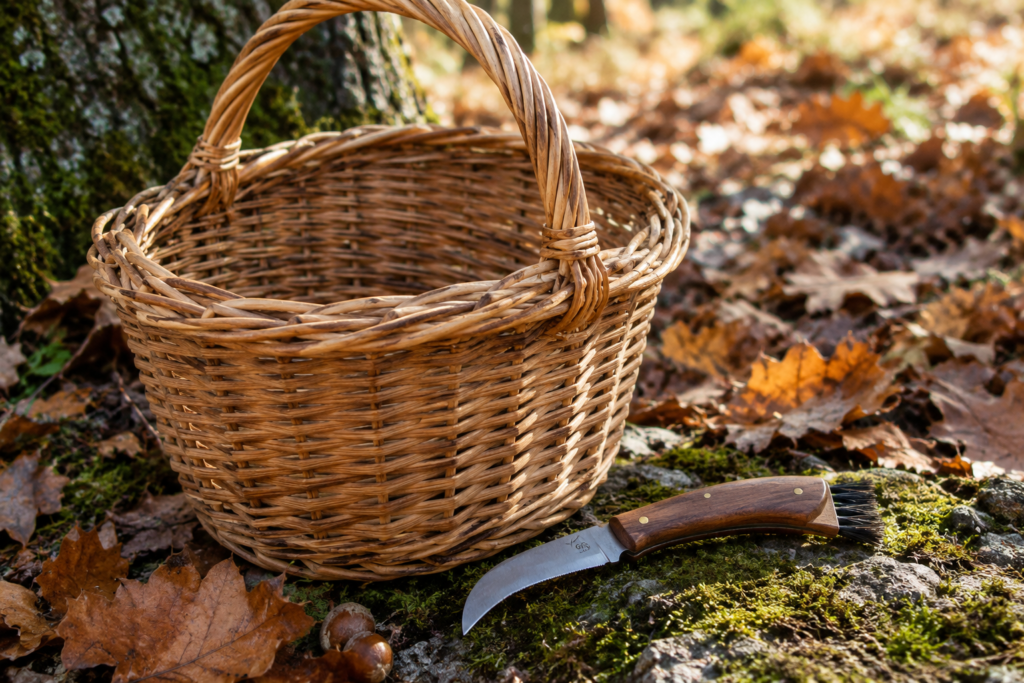
- It uses an aerated basket. Place them in reed baskets with the top of the hat facing up; this way, while transporting them, you facilitate the dispersal of the spores that allow their reproduction.
- Avoid plastic bags. Because they do not allow the mushrooms to remain ventilated and deteriorate more easily.
- Do not move the ground. Avoid rakes, hoes and other tools that can damage the soil and the mycelium.
- Whenever you are familiar with the species, it is advisable to cut the specimen at its base with a knife or scissors. If you are unsure of its identification, remove the entire specimen by placing the knife parallel to the base of the mushroom and using leverage; the buried part may be necessary for identification. The important thing is to avoid unnecessary damage to the soil, the mycelium and the vegetation.
- Do not collect too young or damaged specimens. Mature and well-maintained specimens facilitate identification and responsible use. Specimens that are do not have a fresh state or have many parasites They must be discarded.
- Take the clean mushrooms home. Before putting them in the basket, clean well with a brush, a damp cloth or the edge of the knife the remains of sand, dirt and vegetables that have adhered to the hat and the foot.
- Respect private property and the collection rules. Inform yourself about the applicable conditions in each area before picking mushrooms.
- Enjoy watching too. Photographing the species and learning to recognize them is a fantastic alternative if you don't have any experience.
Important for wild mushrooms: Do not consume any mushrooms unless they are identified with complete certainty by an expert. There are toxic species that can be mistaken for edible specimens. Cook the mushrooms completely before consuming them.
How to clean, preserve and cook mushrooms
Once at home, it is advisable to examine the specimens one by one before preparing them. Remove the soil and any remaining vegetation with a brush or a damp cloth. If they need water, briefly rinse them under the tap and dry them thoroughly, avoiding soaking them as they would absorb a large amount of it and lose their texture and aroma.
The ideal is to cook them as soon as possible. If you need to preserve them, store them chilled in a suitable container and consume them soon, as long as they are fresh and in good condition.
When cooking mushrooms, less is often more. Their aroma and flavor are part of their appeal, so a simple preparation allows you to enjoy them without masking their characteristics.
And remember three fundamental rules:
- Do not consume raw wild mushrooms.
- Do not rely on home remedies or popular beliefs to determine whether a mushroom is edible.
- If you have no experience, ask an expert for help before consuming any specimen.
If you develop symptoms after eating wild mushrooms, seek urgent medical attention and inform the healthcare provider of what you have consumed.
A autumn getaway to discover Jabugo and its surroundings
The mushroom season is a perfect excuse to discover the Sierra de Huelva in a different way. Autumn transforms the landscapes, invites us to explore the trails, and brings us closer to a gastronomy linked to the products of the land and the traditions of our villages.
Autumn invites us to rediscover traditional stews, those dishes that fill the kitchen with aromas and bring the family together around the table. In the Sierra de Huelva, seasonal mushrooms become the protagonists of many recipes, adding unique nuances to the cuisine of old.
From Jabugo you can discover paths among chestnut and cork trees, visit nearby towns and enjoy walks in the middle of nature. You can also learn about the mycological activities that are organized in the region, a great opportunity to learn to recognize the species and get to know the environment better.
And after a day outdoors, nothing beats returning to a cozy place where you can rest and spend time with your loved ones.
In Casa Corata, At our rural house in Jabugo, we want you to enjoy the sierra in your own way: discovering its landscapes, savoring its gastronomy, and finding moments to disconnect from the routine.
Because autumn in the Sierra de Huelva is not just enjoyed with a basket of mushrooms. It is also enjoyed by walking among the trees, observing the small details and sharing the tranquility of rural life.
Would you like to discover autumn and mushrooms in the Sierra de Huelva?
Organize your next getaway to Jabugo and discover the charm of this season from Casa Corata, our rural accommodation in Jabugo.